|
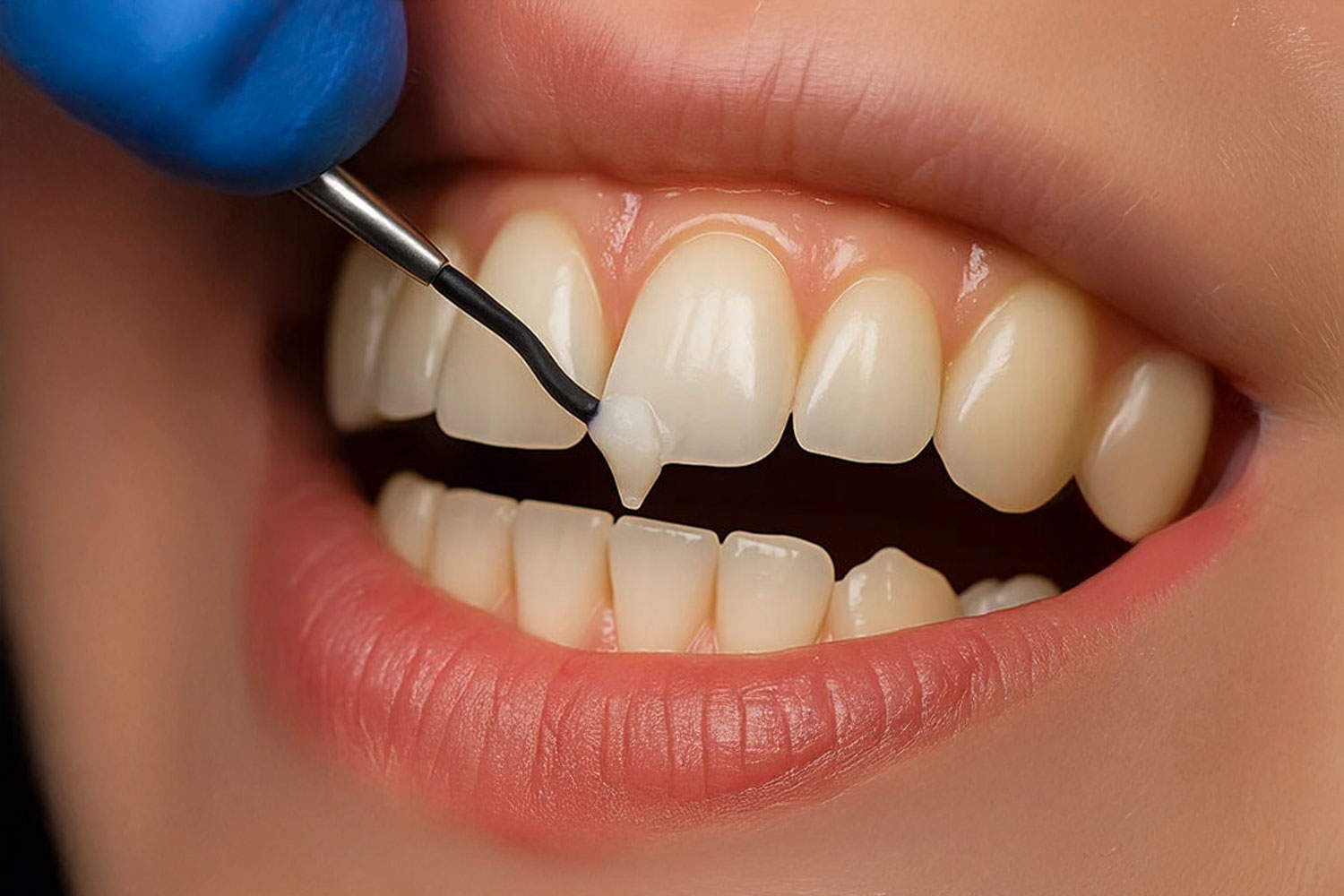
Dental dental bonding bonding bonding bonding bonding bonding bonding bonding. This process can be used to fill in gaps, fix chipping, or alter a tooth's colour and shape. Dental bonding is reversible, in contrast to other cosmetic dental procedures like porcelain veneers.
Composite Bonding: What Is It?
The process of adding material to your teeth to change or enhance their shape is called dental bonding, sometimes referred to as composite resin bonding. In this treatment, your dentist forms and applies a resin that resembles putty to your teeth before permanently bonding them. Many people who want to improve the appearance of their smile or who have damaged teeth find composite bonding to be an appealing choice, so if you are interested in it then look up composite bonding Manchester.
How Is Composite Bonding Carried Out?
The composite bonding procedure involves a number of procedures, including:
- Examining your teeth: After closely examining the tooth in concern, we will determine how to use composite bonding to restore it.
- Stage of preparation: bonding primers and resin are applied after the tooth has been roughened and etched with gel. Dentists are drawn to composite bonding because of its "bit-by-bit" application, which produces extremely exact results.
- Final touches: we use a high-intensity UV light to harden the region and match the pigments to the colour of your teeth.
What Can You Anticipate While Visiting?
Experts states that the average duration of a single tooth bonding visit is between 30 and 60 minutes. You'll be happy to learn that you might not even need to be numbed during the process! After using composite bonding material that closely resembles or enhances the appearance of your tooth, they will utilise a specialised light source to finalise the bond. In conclusion, they will modify the material's shape to give your tooth the ideal structure and appearance before making sure your bite fits correctly.
Are Composite Bondings Right For You?
The conventional use of porcelain veneers has been gradually replaced in recent years by a method called "composite bonding." This technique improves smiles by enhancing or totally covering teeth with composite resin, a white filling substance. Surprisingly, composite resin can be a strong substitute for porcelain, often producing similar smile-improving outcomes.
Composite resins have advanced significantly over the last ten years, especially in their capacity to mimic the natural sheen of tooth enamel, which may be preserved with regular polishing. These materials now frequently compete with, and occasionally even outperform, porcelain veneers in terms of aesthetic appeal. An incredibly thin application is possible because the material may be applied precisely, much like in painting or sculpture. One significant benefit of composite veneers is that they usually don't require the assistance of a dental technician, saving patients and dentists a great deal of time and money.
In actuality, composite veneers are more affordable than porcelain veneers because they are about 50% less expensive. Your existing dental condition, your financial situation, and your dedication to long-term maintenance will all play a major role in determining whether composite veneers are the best course of action for you.
Have You Already Had Numerous Crowns And Anterior Fillings?
Although composite resin can be bonded to other dental materials (such as porcelain or ceramic) using some sophisticated bonding procedures, we are unable to guarantee the same level of bond strength as when attaching to genuine tooth tissue. If you have lots of existing restorations and would like to change their appearance or shade, you’re usually best to replace them with newer, more current materials that have variable hues, stains and translucencies integrated into them to offer a genuinely natural result.
Have Teeth That Are Crowded Or Crooked?
Composite bondings are definitely worth evaluating because they can be an effective way to cover up some degree of crowding. The challenge arises when the tooth's size and shape are compromised; teeth can occasionally appear "squeezed in" or peg-shaped. A brief course of cosmetic orthodontics may be the best option if your teeth are extremely crowded.
Composite Resin Cannot Be Whitened
You will be able to maintain your natural composite teeth. However, you won't be able to change the colour of your restorations for the most part
If you would like lighter, brighter teeth, you should complete a course of dental whitening before the bonding procedure. It's crucial to remember that you should try to finish this two weeks prior to the placement of your bondings. This is to avoid what we sometimes refer to as "bounce back."
Your teeth may occasionally regress a shade or two right after you've reached the ideal shade. An extra night or two of top-up treatment fixes this. Or a dentist appointment for expedited teeth whitening. Before you colour match your repairs, make sure your shade is stable and that you are satisfied with it.
Final Words
The only person who can ultimately decide whether dental bonding is a good fit for your needs is your dentist. To be sure you're making the best decision for your long-term health, appearance, and finances, be sure to ask them for guidance and alternatives. The Pros of the decision of the decision of the decision of the popular decision of the decision.
Visit Boy George Fever for more informative topic
|
 To enhance your user experience on our website, this site uses cookies.
If you continue to browse, you accept the use of cookies on our site.
See our Privacy Policy
for more information.
To enhance your user experience on our website, this site uses cookies.
If you continue to browse, you accept the use of cookies on our site.
See our Privacy Policy
for more information.