Asia is a place where cultural harmony and traditional appreciation are valued. Its cultural weave and hierarchy have made it famous. Asia's generations are familiar with its centuries-old past. The multiplicity of cultures across the continent celebrates its beauty. People who live in their traditional areas adhere to and cherish cultural practices. Their people, who honour their ancient tradition, have done a great job of preserving their folklore. Asia is known for its exquisite workmanship and cherishes its masters and craftsmen for their skill and originality. Their viral Asian Bridal Wear is a unique work of art that combines both traditional and modern components. Their characteristics of delicacy, love, romance, comfort, and refinement express charm and grace.
Chinese Tradition: Cheongsam
A vivid crimson gown is worn by a Southern Chinese bride. In China, red is a lucky colour. Usually made mostly of gold, the Cheongsam has been embossed with dragons and a phoenix. Typically, the jacket and skirt feature gold trim around the borders. The traditional wedding crown is topped with fabric balls and beads. Additionally, the ball is highly elaborate and frequently one of the most costly items in the ensemble.
Maku Shiro
In a traditional Japanese wedding, the bride dons an uchikake, a colourful kimono, for the reception, plus a white brocade kimono for the ceremony. In addition, the bride wears a white headgear known as a tsuno kakushi over her hair, which is styled with many gold combs. Additionally, the gold combs' covering represents compliance.
Chima and Jeogori
Both men and women have worn the traditional Korean garment known as the jeogori. It is a short jacket featuring long sleeves and an otgoreum made of two long ribbons knotted together. Chima constitutes a full-length, wrap-around skirt with a high waist. The bride is dressed in silk, boat-shaped shoes and white cotton stockings. A white sash with important symbols or flowers may be part of the bride's outfit. A crown or tiara may be worn by certain brides.
Japan: The Kimono's Dignity
The kimono is a well-known and recognised wedding dress for Japanese brides. Because of its beauty and simplicity, it is an original garment in their history. It is considered a rich ethnic dress worn by the bride in marriage. Shinto wedding ceremonies often use a white kimono or shiromuku, a symbol of purity. With flavours of intricate designs like crane and cherry blossom, getting dressed represents longevity and joy within the marriage journey, making it more than just an article of clothing. Good fortune and a wish for the start of a new adventure are reflected in the designs.
Pakistan: The Royal Beauty of Sharara and Lehengas
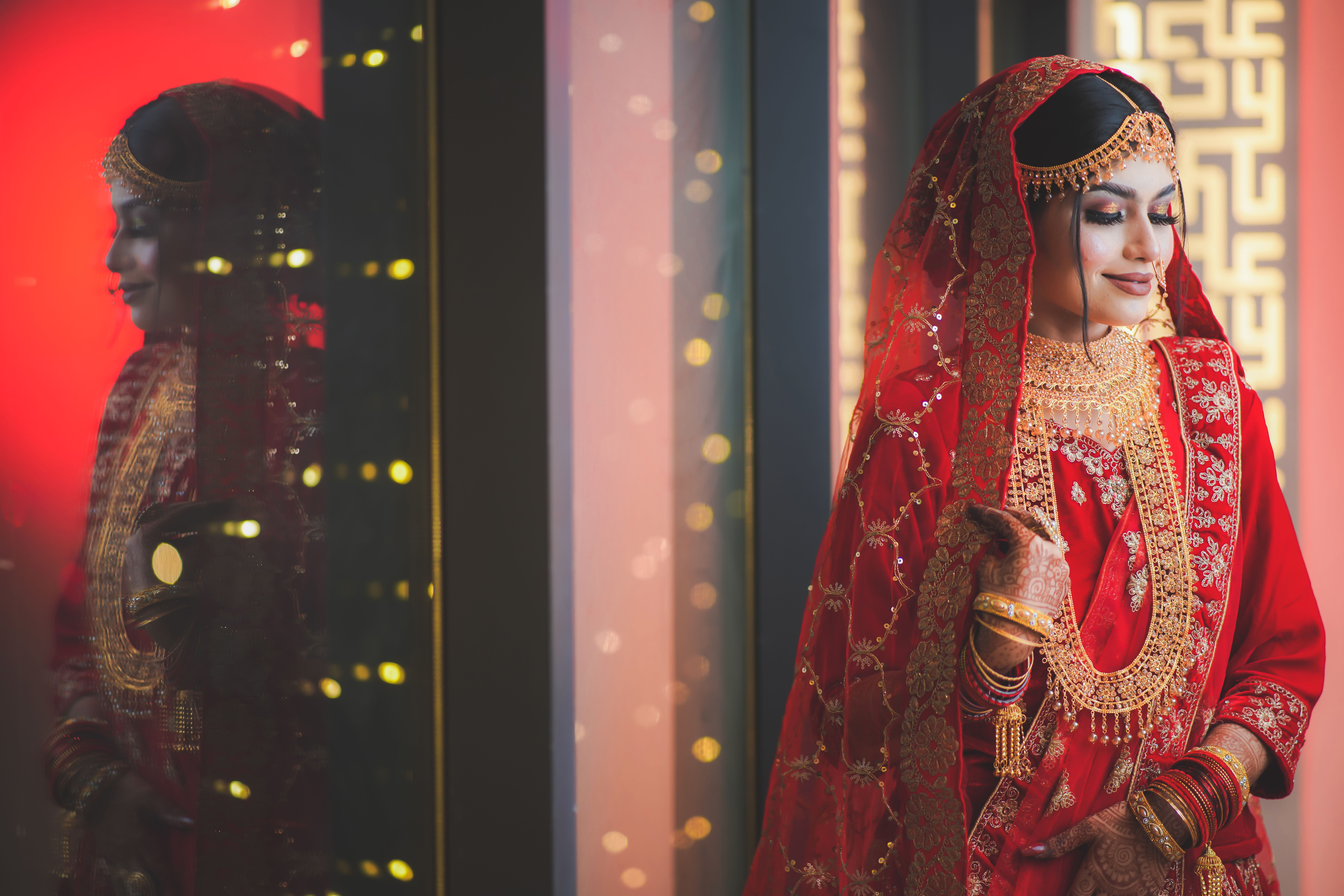
Pakistani bridal attire reflects the union of conventional artistry with majesty. It characterises the difficulty of handicraft. Adorable stitching and sequins adorning lehengas and Sharara often fascinate brides. The cultural textiles are rich and elegant, such as silk and velvet, along with conventional jewellery like Mattha Patti and Jhoomar, among popular selections. The ultimate appearance represents pride in one's culture.
South Korea: The Beauty of the Delicate Hanbok
A modest hanbok is a traditional choice for South Korean brides who have an extra interest in attire that represents delicate beauty and simplicity. The gate clad exudes herbal grace with its flowing shape, intricate embroidery, and smooth pastel colours. The chima (skirt) and jeogori (jacket) work together to create a garment that balances yin and yang and reflects the purity of the bride.
Create Your Own Timeline: Schedule Multiple Costume Changes
It can't be hard to design the logistics of many wardrobe changes; you just have to plan carefully. The majority of brides follow a grand schedule that balances tradition, practicality and day games. This is how a typical timeline would appear:
Morning/Early Afternoon: For the tea ceremonies with both families, wear traditional Chinese clothing (qun kwa or qipao). This normally happens in a secluded area at your venue or at family homes before the main ceremony.
Late Afternoon: Western white gown for the civil service or religious event. This is the time you've been waiting for—the walk down the hallway.
Evening Reception: For the first dance, pictures, and early reception activities, keep wearing your Western gown. For the rest of the celebration, some brides switch to a second Western dress or a second traditional dress, usually a softer qipao in a different hue, like pink or gold.
Optional Evening Change: A formal cocktail-length dress or a more casual gown for dance and late-night festivities.
Final Words
Choosing between Western and traditional clothes is more than just a fashion option; it's a chance to honour the lovely complexity of your ancestry and identity. You may construct a marriage celebration that honours your family's cultural heritage while expressing your own style and romantic vision by carefully combining Western and traditional Chinese elements.
Last Edited by Sameer on Jul 14, 2026 3:45 AM
|
 To enhance your user experience on our website, this site uses cookies.
If you continue to browse, you accept the use of cookies on our site.
See our Privacy Policy
for more information.
To enhance your user experience on our website, this site uses cookies.
If you continue to browse, you accept the use of cookies on our site.
See our Privacy Policy
for more information.